

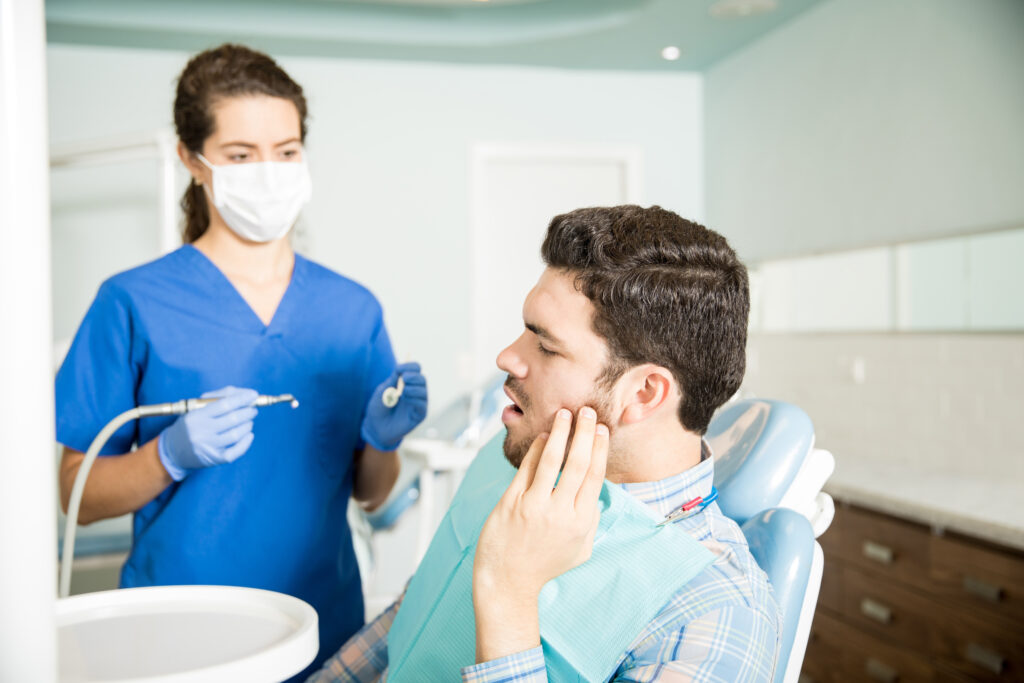
A dental emergency can happen without warning. One moment you are eating dinner, playing a sport, or going through your regular routine, and the next you may experience severe tooth pain, swelling, bleeding, or a damaged tooth. Knowing where to find an Emergency Dentist in Ottawa can help you respond quickly and protect your oral health.
At Island Park Dental, we understand that urgent dental problems can be stressful and uncomfortable. Prompt assessment is important because some dental conditions can become more complicated when treatment is delayed. Whether you are experiencing persistent tooth pain, a broken tooth, or sudden swelling, timely professional dental care can make a significant difference.
A Dental Emergency Ottawa patients experience may involve pain, trauma, infection, or damage to the teeth and surrounding oral tissues. While some minor concerns can wait for a regular dental appointment, severe pain, uncontrolled bleeding, facial swelling, or a knocked-out tooth generally requires urgent attention.
Choosing an Emergency Dental Clinic Ottawa patients can contact for urgent concerns provides access to professional evaluation and appropriate treatment. Understanding the signs of a dental emergency and knowing what to do before your appointment can help reduce further damage.
What Is Considered a Dental Emergency in Ottawa?
A dental emergency is an oral health problem that requires prompt professional assessment to relieve significant discomfort, control bleeding, address infection, or protect a damaged tooth. The severity of the symptoms often determines how urgently dental care is required.
Severe or persistent tooth pain should not be ignored. Pain may be associated with decay, inflammation, a cracked tooth, or infection. An Emergency Dentist in Ottawa can examine the affected area, identify the possible source of discomfort, and discuss suitable treatment options.
Dental trauma is another common reason patients seek emergency care. A fall, sports injury, or accident may cause a tooth to crack, loosen, or become completely knocked out. Quick action is particularly important after dental trauma because the condition of the tooth can change rapidly.
Swelling around the gums, jaw, or face may also indicate an urgent dental concern. If swelling is accompanied by significant pain, fever, or difficulty swallowing or breathing, immediate medical attention may be necessary.
| Dental Emergency | Common Signs | Recommended Response |
|---|---|---|
| Severe toothache | Persistent or intense dental pain | Contact a dental clinic promptly |
| Knocked-out tooth | Tooth completely displaced | Handle carefully and seek urgent care |
| Broken or cracked tooth | Pain, sharp edges, visible damage | Arrange an emergency dental assessment |
| Dental swelling | Swollen gums, jaw, or facial area | Seek prompt professional evaluation |
| Lost filling or crown | Exposed or sensitive tooth | Avoid chewing on the area and contact a dentist |
| Soft tissue injury | Bleeding from gums, lips, or cheeks | Apply gentle pressure and seek care if bleeding continues |
Why Prompt Dental Emergency Care Matters?
Delaying emergency dental treatment may allow a dental problem to progress. A small crack can become larger, tooth pain may intensify, and an untreated dental infection may affect surrounding tissues. Visiting an Emergency Dental Clinic Ottawa patients trust can help identify the problem before further complications develop.
Prompt care can also help manage discomfort. Dental pain can affect eating, sleeping, working, and daily activities. Professional dental assessment focuses on determining the underlying cause rather than simply masking the symptoms temporarily.
In some dental trauma situations, time may influence the available treatment options. A knocked-out permanent tooth, for example, requires careful handling and urgent professional attention. Patients should avoid touching the tooth root and should contact a dental professional as quickly as possible.
Island Park Dental provides dental emergency care with a patient-focused approach. The goal is to assess the urgent concern, explain the findings clearly, and recommend appropriate care based on the patient’s individual dental needs.
What Should You Do During a Dental Emergency?
If you experience a Dental Emergency Ottawa residents should contact a dental professional promptly and clearly describe the symptoms. Explain when the problem started, the severity of the pain, and whether there is swelling, bleeding, or visible tooth damage.
For dental bleeding, gently rinse the mouth with lukewarm water and apply light pressure using clean gauze. Avoid repeatedly disturbing the injured area, as this may interfere with the natural clotting process.
If a permanent tooth has been knocked out, hold it by the crown rather than the root. If the tooth is dirty, gently rinse it without scrubbing. Keep the tooth moist and seek urgent dental attention. Do not allow the tooth to dry out.
For facial swelling, a cold compress placed on the outside of the face may help manage swelling while you arrange professional care. Avoid placing aspirin directly on the gums or tooth because it may irritate oral tissues.
| Situation | What You Can Do Before Your Appointment |
| Toothache | Gently rinse the mouth and avoid chewing on the painful side |
| Knocked-out permanent tooth | Hold by the crown, keep moist, and seek urgent dental care |
| Broken tooth | Save any tooth fragments and rinse gently |
| Swelling | Apply a cold compress outside the face |
| Lost crown | Keep the crown safe and avoid hard foods |
| Oral bleeding | Apply gentle pressure with clean gauze |
Common Reasons to Visit an Emergency Dentist in Ottawa
A severe toothache is one of the most common reasons patients require urgent dental care. Tooth pain may develop gradually or appear suddenly. Persistent pain deserves professional attention because the cause cannot always be identified without a dental examination.
Broken or cracked teeth can occur when biting hard foods, experiencing trauma, or when a weakened tooth is placed under pressure. Even when a crack appears small, an Emergency Dentist in Ottawa should assess painful or significantly damaged teeth.
Dental infections and abscesses may cause throbbing pain, gum swelling, facial swelling, or tenderness. These symptoms should be assessed promptly. Dental infections generally require professional care to address the source of the problem.
Lost fillings and crowns can also leave the underlying tooth sensitive or vulnerable. While every lost restoration may not involve severe pain, arranging dental care promptly can help protect the affected tooth from additional damage.
Emergency Dental Care for Tooth Pain and Dental Injuries
Dental pain can be difficult to manage because it often interferes with concentration and sleep. Rather than waiting for severe symptoms to disappear, contacting an Emergency Dental Clinic Ottawa patients can access allows the dental concern to be professionally assessed.
Dental injuries can affect both adults and children. Sports activities, falls, workplace incidents, and everyday accidents may damage the teeth or soft tissues. Wearing a properly fitted mouthguard during contact sports can help reduce the risk of dental trauma.
If a child experiences a dental injury, parents should remain calm and contact a dental professional for guidance. It is important to determine whether the affected tooth is a primary tooth or a permanent tooth, as emergency management may differ.
At Island Park Dental, emergency dental concerns are approached with careful assessment and clear communication. Patients can discuss their symptoms and receive recommendations based on the condition of their teeth and oral health.
When Should You Seek Immediate Dental Attention?
You should seek prompt dental care if you experience severe tooth pain that does not improve, significant dental swelling, a knocked-out permanent tooth, serious tooth damage, or ongoing oral bleeding. These symptoms may require urgent professional evaluation.
Facial swelling combined with difficulty breathing or swallowing can be a medical emergency. In this situation, immediate emergency medical care is essential rather than waiting for a routine dental appointment.
Not every dental concern requires emergency treatment, but it can be difficult to judge the seriousness of symptoms at home. Contacting an Emergency Dentist in Ottawa allows you to explain your symptoms and receive appropriate guidance.
When unexpected dental problems occur, timely action and professional assessment are important. Island Park Dental is committed to supporting patients with urgent dental concerns and helping them make informed decisions about their oral health.
Choose Island Park Dental for Dental Emergency Care in Ottawa
Finding dental care during an emergency should feel straightforward and reassuring. Island Park Dental focuses on understanding the patient’s immediate concern, examining the affected area, and explaining the available dental care options clearly.
Whether you are dealing with severe tooth pain, a broken tooth, swelling, or another Dental Emergency Ottawa concern, delaying professional assessment may allow the condition to become more difficult to manage. Early dental care can help protect your teeth and overall oral health.
An Emergency Dental Clinic Ottawa residents can contact is an important resource when unexpected oral health concerns arise. Knowing the signs of a dental emergency and responding appropriately can help reduce stress when urgent dental care is needed.
If you are experiencing an urgent dental concern in Ottawa, contact Island Park Dental to discuss your symptoms and dental care needs. Prompt assessment can help determine the appropriate next steps for your smile.
Frequently Asked Questions About Dental Emergencies in Ottawa
1. What qualifies as a dental emergency?
Severe tooth pain, significant swelling, uncontrolled oral bleeding, a knocked-out permanent tooth, or serious dental trauma may require urgent dental assessment. Contact an Emergency Dentist in Ottawa if you are uncertain about the severity of your symptoms.
2. What should I do if my permanent tooth is knocked out?
Hold the tooth by the crown, avoid touching the root, and gently rinse it if necessary without scrubbing. Keep the tooth moist and seek urgent dental care as quickly as possible.
3. Is severe tooth pain a dental emergency?
Persistent or intense tooth pain may indicate an underlying dental concern that requires professional assessment. Contacting an Emergency Dental Clinic Ottawa patients can access is recommended when pain is severe or continues to worsen.
4. Should I visit a dentist for facial swelling?
Dental or facial swelling may be associated with infection or inflammation and should be assessed promptly. If swelling affects breathing or swallowing, seek immediate emergency medical attention.
5. How can I prepare for a dental emergency?
Keep your dental clinic’s contact information accessible, use a mouthguard during contact sports, and understand basic dental first-response measures. During a Dental Emergency Ottawa patients should contact a dental professional promptly for appropriate guidance.
