

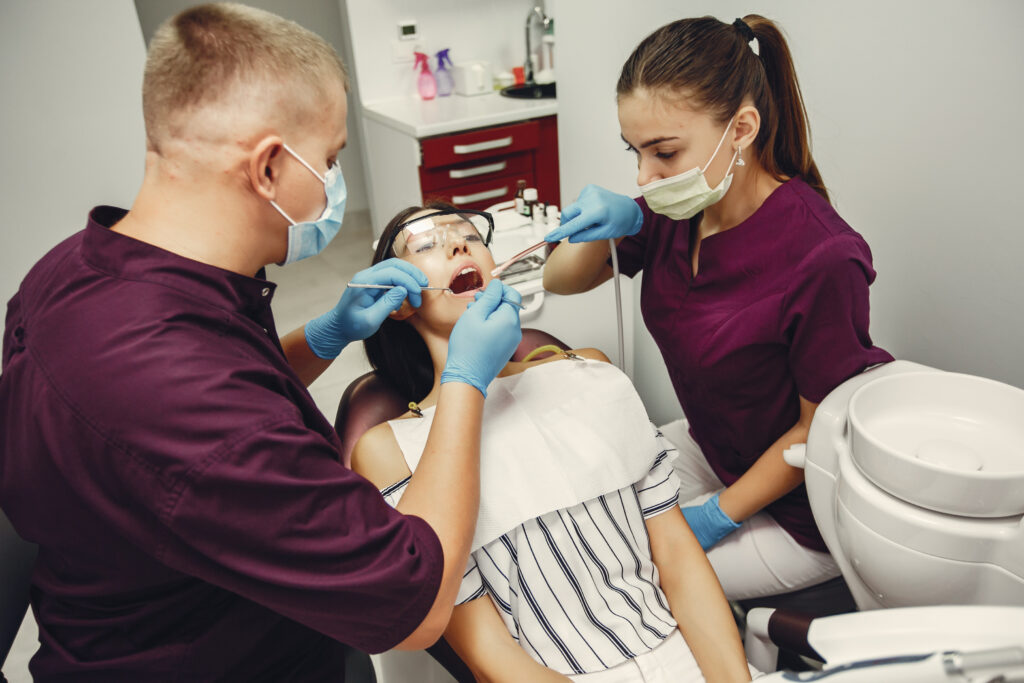
A dental emergency can happen without warning. You may develop severe tooth pain at night, chip a tooth while eating or have a child knock out a tooth during play. Knowing what to do before reaching a dentist can help reduce discomfort and protect your teeth from further damage.
Home first aid is only temporary. It cannot treat decay, infection, a broken tooth or damage beneath the gum line. If you are experiencing a dental emergency in Ottawa, contact Island Park Dental as soon as possible to discuss your symptoms and arrange appropriate care.
What Counts as a Dental Emergency?
Common dental emergencies include:
Severe or persistent toothache.
A chipped, cracked or broken tooth.
A knocked-out permanent tooth.
A loose or damaged crown, bridge or filling.
Swelling around the tooth, gums, face or jaw.
A dental abscess or foul taste in the mouth.
Bleeding that does not stop.
An injury to the mouth, teeth or gums.
If you have difficulty breathing or swallowing, rapidly increasing facial swelling, uncontrolled bleeding or a serious facial injury, seek emergency medical care immediately.
Severe Toothache: What to Do at Home
A toothache may be caused by decay, a cracked tooth, gum inflammation, an infection or food trapped between the teeth.
Until you can speak with a dentist:
Rinse gently with lukewarm salt water.
Carefully floss around the painful tooth to remove trapped food.
Apply a cold pack to the outside of your cheek for short periods.
Take an over-the-counter pain reliever only as directed on the label.
Avoid very hot, cold, sweet or hard foods.
Chew on the opposite side of your mouth.
Do not place aspirin directly on your tooth or gums. It can irritate or burn the soft tissues. The Canadian Dental Association recommends contacting a dentist, using an appropriate over-the-counter pain reliever and applying an ice pack externally rather than placing heat on the affected area.
Pain that temporarily improves may still be caused by a serious dental problem. A tooth infection or advanced decay usually requires professional treatment.
Chipped or Broken Tooth
If you chip or break a tooth, rinse your mouth gently with water. If there is bleeding, apply light pressure with clean gauze or a soft cloth.
If you find the broken piece:
Place it in a clean container.
Bring it with you to your dental appointment.
Avoid chewing on the affected side.
Cover a sharp edge with dental wax if it is irritating your tongue or cheek.
Avoid hard, sticky or crunchy foods.
Do not attempt to glue the tooth back together. Depending on the damage, a dentist may recommend bonding, a filling, a crown or another treatment.
Knocked-Out Tooth
A knocked-out permanent tooth requires urgent attention. Try to find the tooth and handle it only by the crown—the part normally visible in the mouth. Do not touch or scrub the root.
If the tooth is dirty, rinse it gently without rubbing. If possible, place it back into its socket and hold it in position by gently biting on clean gauze. If you cannot safely replace it, keep it moist in cold milk and take it with you to the dentist.
Time is important. Contact a dentist immediately and seek care as quickly as possible. The Canadian Dental Association advises acting promptly because the chance of successful reinsertion decreases as time passes.
Do not store a knocked-out tooth in plain water for an extended period, and do not wrap it in a dry tissue.
Lost Filling or Crown
A lost filling or crown may leave the tooth sensitive and vulnerable. Rinse your mouth gently and keep the area clean.
If a crown has come out, keep it in a clean container and bring it to your appointment. Do not use super glue or household adhesive. These products are not suitable for use in the mouth and may damage the tooth or surrounding tissues.
Avoid chewing on that side until a dentist has assessed the tooth. Temporary dental products should only be used according to their instructions and are not a substitute for professional care.
Swelling, Abscess or Dental Infection
Facial or gum swelling may be linked to a dental infection. Other warning signs can include throbbing pain, fever, tenderness, a bad taste or difficulty opening the mouth.
While waiting to be seen:
Rinse gently with lukewarm salt water.
Apply a cold pack to the outside of the cheek.
Keep the area clean.
Avoid pressing, squeezing or popping the swelling.
Do not take leftover antibiotics or someone else’s medication.
A dental abscess will not usually resolve permanently without appropriate treatment. If swelling spreads towards the eye, throat or neck, or if you have difficulty breathing or swallowing, go to an emergency department immediately.
When to Contact Emergency Dental Services
Contact emergency dental services when pain is severe, swelling is increasing, a tooth has been knocked out or a dental injury is affecting your ability to eat or close your mouth.
If you are searching online for an Ottawa dental emergency or a dentist emergency service, call a dental office directly and explain what has happened. The team can help you understand how urgently you need to be seen and what to do while arranging an appointment.
Island Park Dental provides comprehensive family dental care in Ottawa. The clinic can discuss your symptoms, assess your dental needs and recommend the next appropriate step.
Prepare a Dental First-Aid Kit
A small dental first-aid kit may include:
Sterile gauze.
A clean container with a lid.
A cold pack.
Dental wax.
A soft-bristled toothbrush.
Over-the-counter pain medication that is suitable for you.
Keep the kit with your regular first-aid supplies, particularly if you have children or participate in contact sports.
Frequently Asked Questions
Can I fix a broken tooth at home?
No. You can protect the area temporarily with gauze or dental wax, but a dentist must assess and repair the tooth.
How quickly should I seek care for a knocked-out tooth?
Contact a dentist immediately and seek treatment as soon as possible. Keep the tooth moist and handle it by the crown, not the root.
Can a tooth abscess go away without treatment?
Home remedies may temporarily ease symptoms, but they do not remove the source of an abscess. Dental assessment is necessary.
Should I put clove oil or aspirin on a painful tooth?
Avoid placing aspirin directly on the gums or tooth. Speak with a dentist or pharmacist before using any topical product, especially if you have allergies, medical conditions or take other medications.
Where can I find emergency dental services in Ottawa?
If you have a dental emergency, contact Island Park Dental to discuss your symptoms and appointment options. For breathing difficulty, swallowing problems, uncontrolled bleeding or serious facial swelling, seek emergency medical care immediately.
Contact Island Park Dental
A dental emergency can be stressful, but prompt action can help protect your oral health. Do not ignore severe pain, swelling, trauma or a knocked-out tooth.
If you need an Ottawa dental emergency assessment or are looking for a reliable dentist emergency service, contact Island Park Dental in Ottawa to discuss your situation and arrange the appropriate care.
